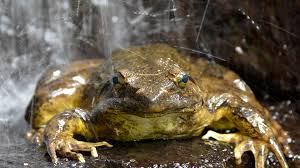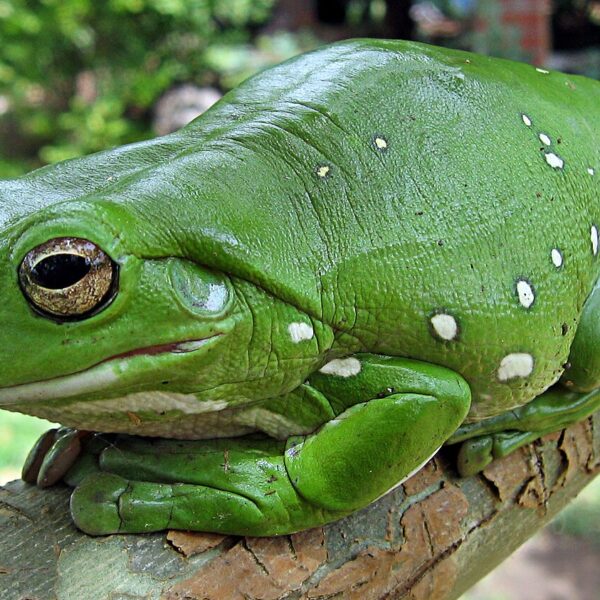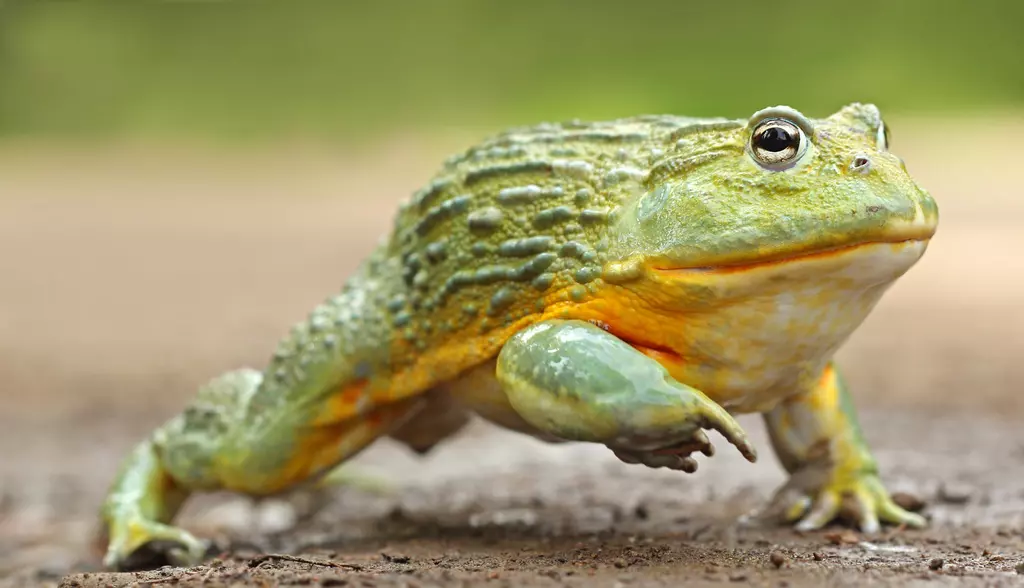

The African bullfrog is one of the largest and most fascinating frogs in the world. It is famous for its huge size, strong bite, and interesting behavior. Many people know it by its scientific name, Pyxicephalus adspersus, but it is also called the Pixie frog.
Even though the nickname “Pixie” sounds small and cute, this frog is anything but small. It is one of the biggest frogs on Earth, found mostly in southern Africa. The African bullfrog plays an important role in nature and has even become a popular pet for frog lovers around the world.
In this article, we will learn about the African bullfrog’s appearance, habitat, behavior, diet, reproduction, and relationship with humans. We will also look at some interesting facts that make this frog truly unique.
What Is an African Bullfrog?
The African bullfrog is a large amphibian that belongs to the family Pyxicephalidae. Amphibians are cold-blooded animals that can live both in water and on land. The African bullfrog is sometimes called the “giant bullfrog” because of its massive size and loud croak.
It lives mostly in sub-Saharan Africa, in countries like South Africa, Angola, Botswana, Tanzania, Kenya, and Zimbabwe. It is one of the few frog species that can survive in very dry places, which makes it a strong and adaptable animal.
Appearance and Size
One of the first things people notice about the African bullfrog is its enormous size.
Adult males are much larger than females , a clear example of sexual dimorphism, which means males and females look different.
- Male bullfrogs can grow up to 9 inches (23 cm) long and weigh over 2 kilograms (4.4 pounds).
- Female bullfrogs are smaller, reaching about 5 inches (13 cm) in length.
Their skin is thick and rough, often olive-green or brown on top with lighter shades underneath. Males have a yellow or orange throat, while females usually have a pale white or cream-colored throat.
Their eyes are large and bulging, giving them a wide field of vision to spot prey or danger.
The body is round and muscular, with short, strong legs perfect for digging and jumping.
Habitat and Distribution
The African bullfrog lives in many parts of southern and eastern Africa. It prefers savannas, grasslands, and semi-arid areas that have both dry and wet seasons.
These frogs spend most of their lives underground during the dry season. When it rains, they come out to breed and feed.
Their homes are often temporary pools, puddles, or shallow ponds formed by heavy rainfall.
Because of their ability to survive long periods without water, African bullfrogs can live in harsh environments where other frogs cannot survive. This makes them true survivors of the African wilderness.
Behavior and Adaptation
The African bullfrog has developed several amazing adaptations to live in dry and hot places.
Burrowing
When the dry season starts, the frog digs a hole in the ground using its strong back legs. It then covers itself with a thick layer of mucus that hardens into a cocoon. This keeps the frog moist and safe underground for many months.
Once the rains return, the frog breaks free from the cocoon and comes out to the surface. This process is called aestivation, which is similar to hibernation but happens during dry, hot weather instead of cold weather.
Aggressive Nature
The African bullfrog is known for being territorial and aggressive. Males will fight other males during breeding season, using their strong jaws to bite. They make loud, deep croaks to warn others to stay away.
Despite their aggression, these frogs are also very protective parents, especially the males.
Diet: What Does the African Bullfrog Eat?
The African bullfrog is a carnivore, which means it eats meat. Its diet is quite varied, and it will eat almost anything that can fit in its mouth.
Main foods include:
- Insects (crickets, beetles, grasshoppers)
- Small rodents
- Birds
- Lizards
- Snakes
- Other frogs (even smaller bullfrogs)
The African bullfrog has a wide mouth and a powerful bite, which helps it catch and swallow prey quickly. It uses its sticky tongue to grab food and pull it into its mouth.
Because they are opportunistic feeders, bullfrogs are not picky eaters. This helps them survive in places where food may not always be available.
Reproduction and Life Cycle
The breeding season for African bullfrogs usually begins after the first heavy rains of the year. The sound of their deep croaking calls fills the air as males compete to attract females.
Mating and Eggs
Males gather near shallow pools and fight to defend their territories. The strongest male mates with several females, who lay thousands of eggs in the water.
A single female can lay between 3,000 to 4,000 eggs at once. The male then guards the eggs and the small pool where they were laid.
Tadpoles
The eggs hatch in just two days, releasing tiny tadpoles. These tadpoles grow quickly because the pools they live in can dry up fast. Within two to three weeks, they transform into young frogs.
Parental Care
One of the most amazing things about African bullfrogs is their parental care. The male watches over the tadpoles and may even dig channels in the mud to help water flow into the drying pool, keeping his offspring alive.
If any predators approach, he will fight them off , even biting snakes or birds.
This level of care is rare among frogs, making the African bullfrog a remarkable parent.
Lifespan and Growth
African bullfrogs grow rapidly when young. Once they reach adulthood, their growth slows, but they can live for a long time.
In the wild, African bullfrogs can live around 15 to 20 years, and in captivity, some have lived more than 25 years with proper care.
This long lifespan, combined with their strong bodies and survival skills, makes them one of the toughest frogs in the world.
Communication and Sounds
The African bullfrog is very vocal, especially during breeding season. Males produce loud, deep croaks that can be heard from far away. These sounds serve several purposes:
- To attract females
- To warn rival males
- To mark territory
Each frog has a slightly different call, which helps females recognize strong and healthy mates.
When threatened, bullfrogs may also make hissing or squeaking sounds to scare off predators.
Enemies and Threats
Even though African bullfrogs are strong and fierce, they still face dangers in the wild.
Natural Predators
- Birds of prey
- Snakes
- Monitor lizards
- Humans (in some areas)
Young bullfrogs and tadpoles are especially vulnerable. Many are eaten by larger animals before reaching adulthood.
Environmental Threats
The biggest threats to African bullfrogs today come from habitat loss and climate change. As wetlands are destroyed and weather patterns become unpredictable, it becomes harder for these frogs to find safe breeding grounds.
In some areas, people also capture bullfrogs for food or the pet trade, which affects their population.
Fortunately, the species is still considered “Least Concern” by the International Union for Conservation of Nature (IUCN), meaning it is not currently endangered. However, continued protection is important for their future survival.
The African Bullfrog as a Pet
Because of its unique look and behavior, the African bullfrog has become a popular pet among reptile and amphibian enthusiasts.
Why People Keep Them
- They are large and impressive.
- They have interesting personalities.
- They live a long time.
Care Requirements
However, caring for an African bullfrog requires knowledge and responsibility. They need:
- A large tank or terrarium with moist soil for digging
- Warm temperatures (around 26–30°C or 78–86°F)
- Clean water for soaking
- A balanced diet of insects, worms, and occasional small prey
They should not be handled too often because their skin is sensitive and they can bite if they feel threatened.
When kept properly, African bullfrogs can become docile and fascinating pets, often recognizing their owners over time.
Interesting Facts About the African Bullfrog
- Huge Appetite:
They can eat animals nearly half their size , even small birds or mice. - Protective Fathers:
Male bullfrogs guard their young and will attack anything that comes near. - Cocoon Survival:
They can stay underground for months, wrapped in a protective cocoon, surviving droughts. - Powerful Bite:
Their jaws are so strong that they can draw blood from humans if provoked. - Fast Growth:
Tadpoles grow into frogs in less than a month due to their short-lived water sources. - Long Life:
Some have been known to live more than 30 years in captivity. - Dual Lifestyle:
They can live both in water and on land, adapting easily to changing environments. - Smart Hunters:
They wait patiently for prey and strike with great accuracy.
Role in the Ecosystem
The African bullfrog plays a key role in its environment.
By eating insects, rodents, and other small animals, it helps control pest populations. This is especially useful in agricultural areas where insects can damage crops.
The frog itself is also a source of food for larger predators, making it an important part of the food chain.
Its presence in an area often indicates a healthy ecosystem, as frogs are sensitive to pollution and environmental change.
Conservation and Future
Although African bullfrogs are not yet endangered, conservationists still monitor them closely. Protecting their natural habitats, especially wetlands, is essential for their survival.
Conservation Efforts Include:
- Educating local communities about the importance of frogs
- Protecting breeding sites
- Regulating the pet trade
- Encouraging sustainable land use
As climate change and urban development continue to affect Africa’s ecosystems, helping the African bullfrog thrive will also support many other species that share its habitat.
African Bullfrog vs. Other Frogs
| Feature | African Bullfrog | Common Frog |
| Size | Up to 9 inches | About 3 inches |
| Habitat | Dry savannas and grasslands | Wetlands and ponds |
| Diet | Carnivorous (large prey) | Mostly insects |
| Behavior | Aggressive and territorial | Shy and peaceful |
| Lifespan | Up to 25 years | Around 10 years |
As this table shows, the African bullfrog stands out for its massive size, strength, and adaptability. It is one of nature’s most extraordinary amphibians.
Cultural Significance
In some African cultures, frogs are seen as symbols of rain, fertility, and renewal. Because the African bullfrog appears after heavy rains, it is often linked to the idea of new life and abundance.
In traditional stories, it is sometimes described as a guardian of water or a messenger of change.
Today, it continues to inspire interest not only in African folklore but also in science and education.
Conclusion
The African bullfrog is a true wonder of nature. With its massive size, strong bite, and survival skills, it stands as a symbol of strength and adaptability. From its deep croak that echoes across African grasslands to its dedication as a protective father, this frog shows us that even the toughest creatures can have a caring side.
Whether admired in the wild or kept as a pet, the African bullfrog continues to fascinate people around the world.
By learning about and protecting this amazing amphibian, we help preserve not just one species, but the balance of life in the environments it calls home.