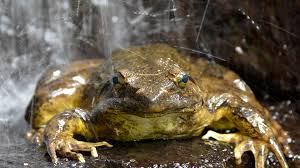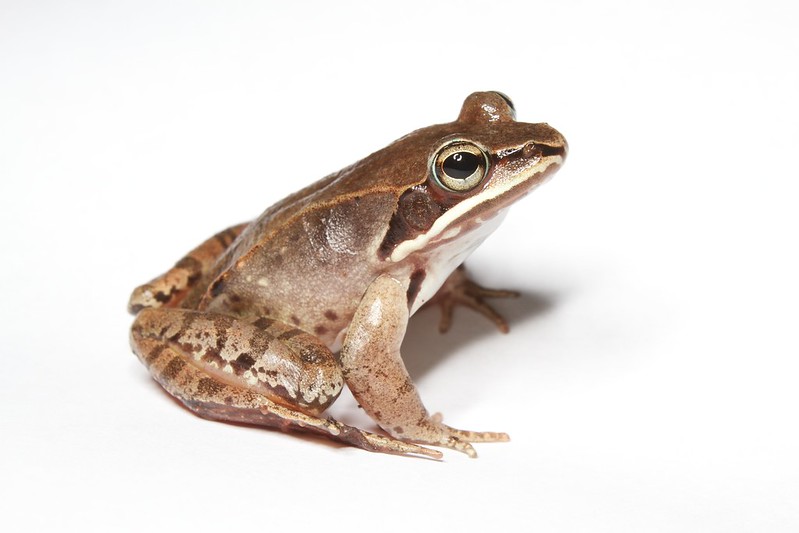

The wood frog (Lithobates sylvaticus or Rana sylvatica) is a small amphibian with a fascinating story, well-known for its ability to survive in the cold, its unique reproductive habits, and its vital role in North American ecosystems. This article explores every major aspect of the wood frog’s life and its importance, written in a clear and simple style for easy understanding.
Overview – What Is the Wood Frog?
The wood frog is a medium-sized frog found in forests throughout North America, from the deep woods of Alaska and Canada to the states of the Appalachian Mountains and as far south as northern Georgia. It’s instantly recognizable for the dark mask around each eye, reminiscent of a tiny bandit, and its earthy color tones that help it blend into the forest floor.
Physical Description
Wood frogs range from 51 to 70 mm (about 2 to 2.8 inches) in length, with females often being larger than males. Their backs are commonly brown, tan, or rust — the perfect colors to disappear among fallen leaves. A masked pattern, with a dark patch stretching from the snout through the eye, gives them their famous “robber” look. The underside is lighter, sometimes yellowish or even faintly green in certain populations.
Interestingly, individual frogs can change their shade of brown throughout the year, and the same frog may look lighter or darker at different times. This slight color change helps them adjust camouflage based on their surroundings and the season.
Distribution and Habitat
The wood frog is incredibly widespread. Its range extends from the northeastern tip of Canada and Alaska, right down through the United States, including regions like Georgia and North Carolina. It’s one of the only frogs found in the far north of North America and is the most widely distributed frog in Alaska.
Wood frogs are strongly associated with forests, especially those with access to temporary wetlands. These are often called “vernal pools” because they fill with water only during the spring and dry up later in the year. Unlike many frogs that need ponds or lakes, wood frogs breed in these short-lived pools, which serve as safe spaces for egg laying and tadpole growth.
Daily Habits and Seasonal Behaviors
Wood frogs are primarily terrestrial, spending much of their lives on the forest floor rather than in the water. They move between habitats, travelling from breeding pools in the spring to summer homes in moist woodlands, bogs, or marshy ravines. When autumn arrives, wood frogs migrate to upland areas to find a safe spot for winter.
They remain mostly active during the day, which is relatively rare among frogs. At night, you’re most likely to spot them when they gather in breeding groups during the early spring.
Freeze Tolerance – Nature’s Survival Trick
One of the most fascinating things about the wood frog is its ability to withstand freezing temperatures. During winter, these frogs don’t escape the cold by burrowing deep underground or finding shelter in water. Instead, they hibernate just under the leaf litter or in the shallow soil, where the top layers can freeze solid.
As winter approaches, wood frogs begin to accumulate two substances: urea and glucose. When the temperature drops and ice starts to form inside the frog, these chemicals act as “cryoprotectants.” The urea and glucose prevent the cells from shrinking and getting damaged as water leaves them to form ice. This means as much as 70% of the frog’s body water can freeze, stopping its heart, breathing, and brain activity — yet when spring arrives and the frogs thaw out, they come back to life unharmed.
This remarkable adaptation has made the wood frog a subject of significant research because few other animals can tolerate such extreme freezing and thawing cycles. Thanks to larger liver glycogen stores and increased enzyme activity in northern populations, wood frogs in Alaska are especially hardy compared to their relatives in warmer climates.
Feeding and Diet
Wood frogs eat a variety of small invertebrates, including insects, spiders, worms, and other small creatures found on the forest floor. Their feeding habit is triggered by the movement of prey — when something catches the frog’s eye, it lunges forward and flicks its tongue to catch food. Unlike some aquatic frogs, the wood frog uses mainly the tip of its tongue to grab prey, a trait they share with toads.
Young wood frogs, in their tadpole stage, are more opportunistic eaters. They feed on plant detritus, algae, and sometimes other tadpoles, making them important recyclers in springtime pools.
Breeding and Life Cycle
Reproduction in wood frogs is spectacularly synchronized and happens very early in the spring — often just as the snow melts. As soon as pools fill with meltwater, adult wood frogs emerge from hibernation, sometimes after being frozen for months. They migrate toward breeding sites, which are usually the same vernal pools they themselves hatched in.
Males gather at these pools and produce quacking or duck-like calls to attract females. Once a female arrives, a male clasps her in a tight embrace called “amplexus,” and the pair move together until the female releases eggs, often attached to submerged plants or sticks. Large numbers of eggs are laid in big clusters, and the first clutches in the center of these egg rafts benefit from faster development and better protection.
Wood frogs are considered “explosive” breeders because the entire breeding season may last only about a week. Quick reproduction reduces the risk that pools will dry out before the tadpoles can fully develop. However, if the pool dries too early, many tadpoles may not survive.
The tadpoles grow rapidly in the warming water, feeding on algae and detritus. After a few weeks, they undergo metamorphosis, growing legs, absorbing their tails, and eventually leaving the water as tiny froglets. Most frogs will return to breed in the same pool they hatched from, a behavior known as “philopatry.”
A small number of juveniles (less than 20%) may disperse to other habitats, but most are loyal to their birthplace. Not every frog gets the chance to breed multiple times — typically, most breed only once, though some may breed a second or third year if they survive.
Migration and Movement
Though wood frogs spend much of the year in the same general area, they are capable of surprisingly long movements. Some individuals travel hundreds of meters between summer habitats, overwintering spots, and breeding pools. During studies in the Appalachian Mountains, all adult frogs returned to the same pool where they first bred, but about 18% of juveniles chose new breeding locations, ensuring genetic exchange between populations.
Successful conservation of wood frogs, therefore, requires a landscape view — protecting only breeding pools is not enough. The species also needs the forested areas around these pools for summer living and safe winter hibernation sites.
Threats and Conservation
The wood frog is not considered endangered — in fact, it is one of the more common amphibians in North America. However, certain risks have started to affect wood frog populations:
- Habitat loss: Urban development fragments forests and isolates wetland habitats, making it harder for frogs to reach breeding sites and reducing their chances for survival.
- Changes to vernal pools: Many breeding pools are not protected by law, especially in the U.S., making wood frogs dependent on smaller, temporary wetlands that are often filled in or polluted.
- Road salt: A big concern comes from the salt used to melt snow and ice on roads in winter. Runoff can contaminate breeding pools, which is dangerous for frog eggs and especially tadpoles. High concentrations reduce survival rates and lead to physical deformities.
- Climate change: Warmer temperatures impact the timing and duration of pools, threatening the delicate balance wood frogs rely on for breeding and tadpole development.
- Pollutants and pesticides: Chemicals in the environment can cause abnormalities and make tadpoles more vulnerable to predation, leading to missing limbs and other deformities.
These threats highlight the need for careful management, keeping forests connected by “corridors” so frogs can migrate, and protecting both the wetlands and surrounding habitats.
Special Adaptations
The wood frog’s freezing survival is its most famous trick, but several other adaptations help it thrive:
- Color-changing skin: Helps avoid predators and regulate sunlight absorption.
- Early breeding: Exploits pools before predators like fish become active, giving tadpoles a head start.
- Ample genetic diversity: Long-distance juvenile movement allows for healthy gene flow, strengthening the population in the face of changing conditions.
- Efficient metabolism: Adapted muscles and enzymes keep basic bodily functions running even in cold conditions.
- Behavioral flexibility: Ability to use a variety of woodland habitats for feeding, breeding, and overwintering.
Ecological Significance
Wood frogs play an essential role in their environment. As both predator and prey, they are an important link in the food web.
- Predators: Eggs and tadpoles are food for insects, birds, snakes, and sometimes other amphibians.
- Pest control: Adults help control insect populations, acting as natural pest managers in the forest.
- Nutrient cycling: Tadpoles break down organic matter, contributing to nutrient cycling in vernal pools.
Research and Importance to Science
Wood frogs have drawn the attention of scientists for decades, primarily because of their freezing resistance. Researchers hope their frost-fighting biology can be used to improve organ preservation for transplants, help save endangered animals, and inspire new biotechnologies. The unique adaptations of the wood frog might hold clues for medical advances and better understanding how life adapts to harsh environments.
Conservation Status in Detail
While not officially listed as threatened or endangered, wood frogs are considered a species of “least concern” by the IUCN, which means they’re still holding strong across most of their range. Some regions, especially in areas with intense urbanization or high road density, have seen localized declines. In the U.S., the lack of federal protection for isolated vernal pools puts added pressure on these populations, making state-level and local action necessary for their continued survival.
What You Can Do
If you live in an area with wood frogs or want to help amphibians in general, several actions make a difference:
- Support the conservation of local forests and wetlands.
- Minimize the use of chemical de-icers and garden chemicals near forests or waterways.
- Help protect and restore vernal pools, even small seasonal wetlands.
- Drive carefully in spring and autumn near wetlands — migrating frogs are often crushed by cars.
Simple efforts can help keep wood frogs thriving for generations.
Conclusion
The wood frog is a true survivor of the north — an amphibian perfectly tuned for life in the woods, water, and winter. With its remarkable adaptations, unique breeding habits, and crucial ecological functions, the wood frog is more than just a small creature underfoot. Awareness and conservation efforts are vital to protect these special frogs for years to come, reminding us that even the most common animals have fascinating stories and important roles in nature.