
The American green tree frog (Dryophytes cinereus or Hyla cinerea) is one of the most iconic and familiar amphibians in the southeastern United States. It stands out for its vibrant coloration, arboreal lifestyle, and distinctive nocturnal calls. This detailed article explores every major aspect of the American green tree frog, making the subject accessible and interesting for a wide audience.
Overview
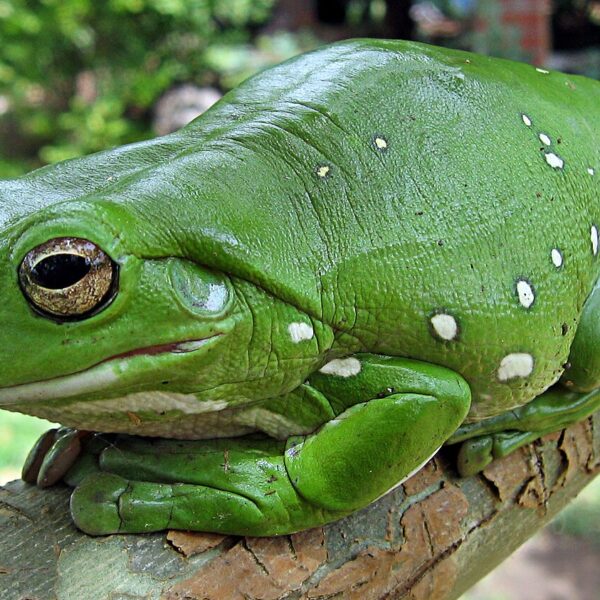
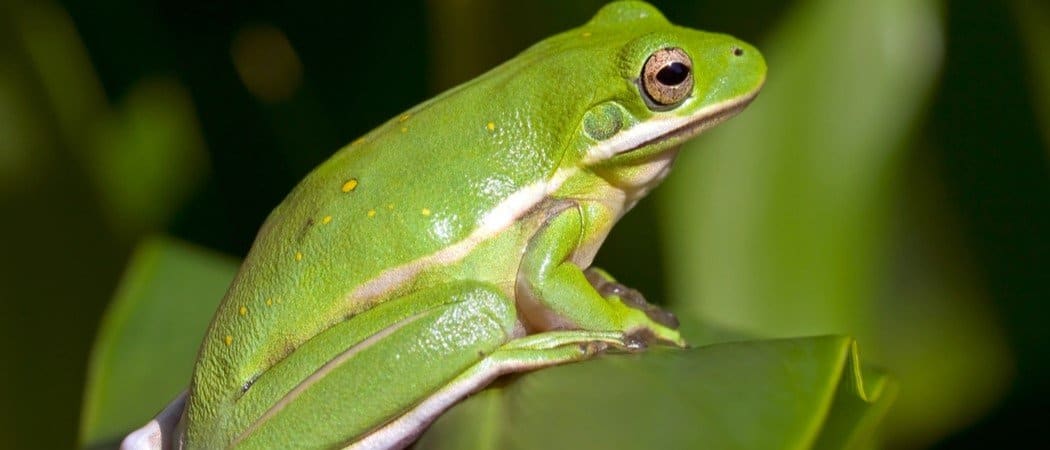
The American green tree frog is a nocturnal, insect-eating amphibian known for its moderately sized body and bright green to reddish-brown coloration, sometimes highlighted with yellowish or golden spots. Males and females are easily distinguishable, with females being noticeably larger. The species is widespread across the eastern and central United States, thriving especially in open canopy forests near permanent water sources.
Scientific Classification and Names
- Kingdom: Animalia
- Phylum: Chordata
- Class: Amphibia
- Order: Anura
- Family: Hylidae
- Genus: Dryophytes (formerly Hyla)
- Species: D. cinereus
Common names include American green tree frog, North American tree frog, marsh tree frog, and Carolina hyla.
Physical Description
American green tree frogs are streamlined, slender, and built for an arboreal (tree-dwelling) life. Adults range from 3.2 to 6.4 centimeters long. They have long legs and large, protruding eyes with horizontal pupils. Their smooth ventral skin and granular dorsal skin help them blend into leafy environments. The dorsal color can shift from the iconic bright green to reddish-brown, depending on the frog’s environment or temperature—a fascinating example of adaptive camouflage.
Key features:
- White to cream-colored underside
- Prominent white or yellow lateral stripes
- Small golden spots on the back
- Average adult weight: 2.15–5.11 grams (average 3.76 grams)
- Juveniles are about 20.6 mm after metamorphosis
Geographic Distribution
These frogs are native to the central and southeastern United States, with their range stretching from Maryland and Delaware in the north, southward through the Carolinas and Georgia, to Florida, and as far west as central Texas. Isolated populations are also found further north and even in human-modified landscapes such as suburban backyards or artificial ponds. Human intervention has introduced them elsewhere, like Puerto Rico.
Preferred Habitats
The American green tree frog’s habitat includes a wide variety of wet or moist environments. These frogs thrive in swamps, marshes, cypress ponds, water lily prairies, sloughs, and the shores of lakes and streams—all locations where ample vegetation provides shelter and food. They are frequently observed clinging to grass blades, twigs, or leaves, and they also adapt well to gardens with ponds or water features.
Key habitat requirements:
- Permanent or semi-permanent water sources
- Abundant vegetation for climbing and hiding
- Humid, warm climates typical of the southeastern US
Daily and Seasonal Behavior
American green tree frogs are nocturnal and most active after dusk. During the day, they remain hidden among vegetation, camouflaging themselves from predators. At night, they emerge to hunt insects and participate in communal calling, especially during the breeding season.
They are mostly sedentary and maintain a localized home range. During dry spells, frogs avoid venturing far from water to prevent dehydration. In winter or cooler climates, they hibernate under logs, leaf litter, or bark.
Diet
As strict insectivores, American green tree frogs primarily consume a wide variety of small, active prey:
- Flies, mosquitoes, grasshoppers
- Cockroaches, spiders, beetles, crickets, and ants
A key aspect of their hunting strategy is targeting the most active insects in their reach. Up to 90% of prey is actively pursued, while the remaining 10% is snatched opportunistically. Occasional ingestion of plant material has been noted, though it is uncommon.
Reproductive Behavior
Mating and Breeding
Breeding is highly seasonal, driven by temperature, day length, and especially rainfall. The breeding season in southern populations, like those in Florida, can extend from March to September. Most females breed once per year, although some may lay multiple clutches if conditions are favorable.wikipedia
Highlights:
- Amplexus: Males grasp females from behind for external fertilization.
- Advertisement Calls: Males emit a characteristic low-frequency call to attract females. These calls also play a role in territory defense and competitive interactions with rivals.
- Clutch Size: In Florida, clutches range from an average of about 400 eggs to more than 1,200 in optimal conditions.
- Egg laying occurs on vegetation submerged in water.
- Hatching: Eggs typically hatch within 4 to 14 days, with an average of about five days.
Social and Competitive Calls
Male frogs form noisy calling groups, or choruses, often audible up to 1–2 kilometers away. The complexity of these choruses leads to intense competition. Males can change their call duration, frequency, and timing in response to neighbors, a phenomenon called “social plasticity.”
Satellite Males
Not all males call; some act as “satellite males,” remaining silent and intercepting females drawn to calling males. This tactic helps them conserve energy and avoid predation but is regulated by social and hormonal factors.
Influence of Environment
The presence of predatory fish does not discourage green tree frogs from breeding in permanent bodies of water, unlike many other amphibian species. This adaptability to different aquatic environments may contribute to their broad distribution.
Development
Tadpoles are green, often with yellow or white stripes running from the nostrils to the eyes and mottled tail fins. They metamorphose into frogs in just a few weeks if conditions support rapid development, which is essential in temporary water bodies.
Predators and Threats
Common predators include sunfish, bass, and dragonfly larvae, all of which primarily target tadpoles. Habitat changes resulting from urbanization, wildfires, and pesticide pollution have caused local declines. Additionally, the introduction of invasive Cuban tree frogs presents competition, as these species have similar mating calls and ecological requirements.
Disease and Immunity
Unlike many amphibians, American green tree frogs are not highly susceptible to the harmful chytrid fungus (Batrachochytrium dendrobatidis), which has devastated frog populations globally. The reasons for this resistance are not entirely understood but may be linked to their immune systems and microhabitats.
Conservation Status
Despite regional declines, the American green tree frog is still considered a species of “Least Concern” by the IUCN, thanks to its wide distribution and large populations. Conservation efforts focus on preserving wetland habitats, protecting forest canopy cover, and creating artificial shelters like PVC pipes during times of habitat loss.
Physiology and Adaptations
Green tree frogs are ectothermic (regulate body temperature from their environment) and heterothermic. They can tolerate a certain degree of salt in their aquatic environment, using the chemical glycerol to cope with brackish water, unlike most amphibians that die in salty conditions. To retain moisture, the frog can coat its skin with mucus during dry spells.
Uses in Science and Culture
The American green tree frog is valuable as a bioindicator for monitoring aquatic pollution since its permeable skin readily absorbs contaminants. Its sensitivity to changes in water quality makes it an excellent environmental health gauge.
Culturally, this frog embodies the biodiversity of the American Southeast. It is the state amphibian of Louisiana (since 1997) and Georgia (since 2005).
As Pets
The American green tree frog is a popular and relatively easy-to-care-for pet. It requires a secure, ventilated terrarium with space to climb, constant access to shallow water, and a substrate that maintains humidity. The height of the enclosure is more important than the floor area, to mimic their natural climbing habitats. Temperatures should be kept above 21°C (70°F).
Handle with care:
- Frequent or rough handling can stress the frog.
- Clean gloves should be worn during handling to protect both frog and human.
Interesting Facts
- They are strictly aquatic during the hibernating and mating seasons but venture to damp land environments the rest of the year.
- Color change is possible in response to background and temperature.
- The species chorus can be heard up to two kilometers away and is especially loud after rainfall.
- When frightened, they leap into water or treetops to escape predators.
- Used by scientists as environmental quality indicators and in hormone and behavioral research.
Conclusion
The American green tree frog is much more than a colorful backyard visitor. It is an adaptable and resilient survivor, a vocal member of its wetland communities, and an important environmental indicator for scientists. As both a charismatic species for pet owners and a sentinel for wetland health, its continued presence in the natural and human-managed landscapes of the US Southeast is a testament to the region’s rich ecological tapestry.